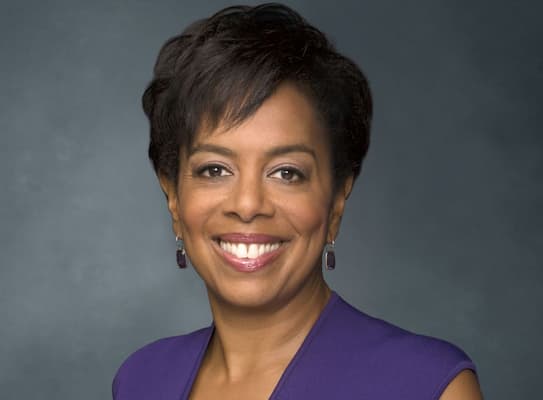
Sharon Epperson’s Path From Time Magazine to CNBC’s Money Desk
Sharon Epperson has spent nearly three decades translating complicated financial decisions into plain language for CNBC viewers—a career that’s included eight years reporting live from a commodities trading floor, a health scare that nearly ended her life, and an honest reckoning, in her own words, with how much harder Black women in newsrooms often have to work to be seen as ready.
From Pittsburgh to Harvard and Columbia
Sharon Emily Epperson was born April 12, 1968, in Pittsburgh, Pennsylvania, to David E. Epperson and Cecelia T. Epperson, a retired schoolteacher. She attended Taylor Allderdice High School in Pittsburgh, where she was later inducted into the school’s Hall of Fame, before going on to earn a degree from Harvard University and a graduate degree in international affairs from Columbia University. She’s since received honorary doctorates from both Carlow University in Pittsburgh and Mercy University.
Notably, Epperson’s academic background isn’t in finance at all. “I did not major in economics and I don’t have an MBA,” she told the Pittsburgh Post-Gazette, explaining that her financial expertise instead grew out of a handful of college and graduate school economics courses combined with broad exposure to different subjects and perspectives — a foundation she’s built on through years of specialized reporting rather than a formal finance credential.
Starting at Time, Landing at CNBC
Epperson began her career as a correspondent for Time magazine, covering business, culture, social issues, and health, while also gaining early television experience working as an assistant producer on projects for NY1 and PBS NewsHour. She’s credited her early involvement with the National Association of Black Journalists — which she joined in college and continued attending annually — with helping shape the career path that eventually led her to television full-time.
She joined CNBC in 1996, initially as senior energy correspondent, stationed at the New York Mercantile Exchange (NYMEX), where she covered commodities markets on a daily basis for eight years — a demanding, floor-based beat that predates the personal finance role she’s best known for today. In 2015, she also stepped into political coverage, serving as one of six panelists for a Republican presidential primary debate.
An Honest Account of Career Frustration
In a Career Contessa interview reflecting on two decades in media, Epperson was candid about an early professional mistake: growing frustrated that her promotions weren’t coming as quickly as she wanted. She described her Time bureau chief — an African American woman — as intentionally demanding, wanting Epperson thoroughly prepared before any promotion, a standard she initially resented but came to understand differently over time. “I think she understood that then, more than 20 years ago, and today, unfortunately, we have to be three times as good at our jobs,” Epperson said. She’s also recalled a CNBC news director telling her early on that it would take five years to find her on-air voice — a comment that, despite her Columbia and Harvard degrees and prior Time experience, she said left her stunned at the time.
Becoming CNBC’s Senior Personal Finance Correspondent
Epperson eventually transitioned into the role she’s held for the bulk of her CNBC tenure: senior personal finance correspondent, covering how everyday people manage, grow, and protect their money — from retirement savings and college costs to mortgage, student loan, and credit card debt. She created and edits CNBC’s “Money 101 Newsletter” and hosted the “Financial Advisor Playbook” video series on CNBC.com, which won her a Gracie Award for Outstanding Online Host from the Alliance for Women in Media.
Her financial writing has also appeared well beyond CNBC, including in The Wall Street Journal, The Washington Post, The Boston Globe, USA Weekend, Self, Essence, and Ebony. She authored a personal finance column for USA Weekend and wrote the book “The Big Payoff: 8 Steps Couples Can Take to Make the Most of Their Money and Live Richly Ever After,” which was a finalist for the Books for a Better Life Awards. Her broader career recognition includes the Special Achievement Award from the National Association of Personal Financial Advisors, the Savvy Inspiration Award from Savvy Ladies, the Vanguard Award from the National Urban League Guild, and the All-Star Award from the Association of Women in Communications.
Surviving a Ruptured Brain Aneurysm
In September 2016, Epperson suffered a ruptured brain aneurysm and nearly lost her life. She’s since become an outspoken advocate for brain aneurysm awareness and research funding, volunteering with the Brain Aneurysm Foundation. In September 2018, she and her family established “The Sharon Epperson Chair of Research” through the foundation, funding grants focused on early detection of the condition — turning a personal medical crisis into a lasting philanthropic commitment.
Teaching and Family Life
Beyond her CNBC reporting, Epperson serves as an adjunct professor at Columbia University’s School of International and Public Affairs and has also taught at Columbia’s Graduate School of Journalism, focusing on career development and personal finance fundamentals for graduate students.
She married journalist and author Christopher John Farley on August 30, 1997. Farley, a Jamaican-born writer, has worked as a Time magazine writer since 1992 and later became an editor at The Wall Street Journal; he’s authored books including “Kingston by Starlight,” “My Favorite War,” and biographies of Bob Marley and Aaliyah. The couple has two children, a son, Dylan, and a daughter, Emma, and Epperson took extended maternity leave after each birth—eight months following her first child, with a similarly extended leave following her second in early 2005. The family lives in Westchester County, New York.
Quick Facts
| Category | Detail |
|---|---|
| Full name | Sharon Emily Epperson |
| Born | April 12, 1968, Pittsburgh, Pennsylvania |
| Occupation | Senior Personal Finance Correspondent, CNBC |
| Education | Harvard University; M.I.A., Columbia University (School of International and Public Affairs) |
| Joined CNBC | 1996, initially as senior energy correspondent |
| Book | “The Big Payoff: 8 Steps Couples Can Take to Make the Most of Their Money and Live Richly Ever After” |
| Major recognition | Gracie Award; Vanguard Award, National Urban League Guild |
| Health advocacy | Brain aneurysm survivor (2016); established research chair via Brain Aneurysm Foundation (2018) |
| Spouse | Christopher John Farley (m. 1997), journalist and author |
| Children | Son, Dylan; daughter, Emma |
FAQ
What does Sharon Epperson cover at CNBC? She’s CNBC’s senior personal finance correspondent, covering how people manage, save, and protect their money, including retirement planning, debt, and college costs.
Did Sharon Epperson always cover personal finance? No. She joined CNBC in 1996 as senior energy correspondent, covering commodities markets from the New York Mercantile Exchange for eight years before moving into personal finance reporting.
What happened to Sharon Epperson in 2016? She suffered a ruptured brain aneurysm and nearly died. She’s since become an advocate for brain aneurysm awareness and helped establish a dedicated research fund through the Brain Aneurysm Foundation.
Who is Sharon Epperson married to? Journalist and author Christopher John Farley, whom she married in 1997. The couple has two children.
Does Sharon Epperson have a finance degree? No. She’s said publicly that she didn’t major in economics or earn an MBA, building her expertise instead through targeted coursework and years of specialized reporting.
A Reporter Who Built Her Own Expertise
Sharon Epperson’s career doesn’t follow the traditional finance-credential-to-reporter pipeline — she built her authority on the subject through nearly three decades of direct, hands-on coverage instead, from a commodities trading floor to the personal finance beat that’s defined her CNBC legacy. Add in a health scare she’s turned into lasting advocacy work, and her story reads as much about resilience as it does about market expertise.