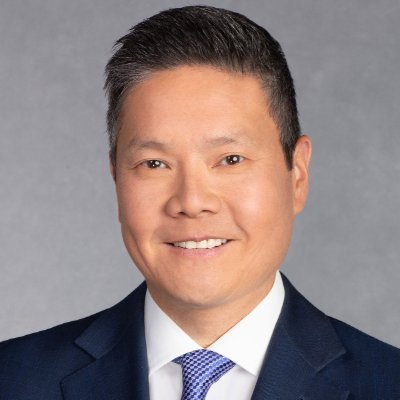
Dominic Chu: The Markets Reporter Who Traded Wall Street for the Newsroom
Dominic Chu has built his broadcasting career on a foundation few financial journalists can claim: real hands-on experience inside the investment industry before he ever picked up a microphone. As CNBC’s senior markets correspondent, he brings that trading-floor and asset-management background to daily coverage of stocks, bonds, and the broader economy for one of the country’s most-watched business news networks.
Quick Facts
| Name | Dominic Chu |
| Education | Cornell University (BS, Hotel Administration) |
| Employer | CNBC, Global Headquarters, Englewood Cliffs, NJ |
| Title | Senior Markets Correspondent |
| Previously | Bloomberg Television, UBS Investment Bank, Seascape Capital Management, Hennessy Advisors |
| Regular appearances | “Halftime Report,” “Power Lunch,” CNBC Business Day programming |
Education and an Unconventional Start
Chu earned his Bachelor of Science degree in hotel administration from Cornell University — a degree program better known for producing hospitality executives than financial journalists. That unconventional academic background didn’t stop him from building a career deeply rooted in finance; instead, his path into markets came through direct industry experience rather than a traditional finance or journalism degree.
Building a Career in Finance Before Journalism
Before he ever appeared on television, Chu spent years working inside the financial industry itself. He worked in sales and trading at UBS Investment Bank, gaining firsthand experience in how institutional trading actually operates. He went on to work in investment management at Seascape Capital Management, a boutique investment advisory firm, where he helped manage a mix of separate accounts, mutual funds, and alternative investment offerings for clients. He also worked in mutual fund administration at Hennessy Advisors, rounding out a résumé that gave him direct operational knowledge of asset management, trading, and fund administration — the kind of background that would later set his market reporting apart from journalists without industry experience.
Reporting for Bloomberg Television
Chu joined Bloomberg Television in 2010 as a New York-based markets reporter, covering stock, bond, and currency markets and drawing directly on his background as an institutional investor to add depth to his trading-day analysis. His time at Bloomberg placed him at the center of major financial and news events, including the May 6, 2010, “flash crash,” one of the most dramatic single-day market disruptions in recent Wall Street history. He also was part of Bloomberg’s coverage teams for Hurricane Sandy and the Boston Marathon bombing, stepping outside pure markets coverage to help report on major breaking news events. During his Bloomberg tenure, Chu also handled sports business reporting for the network and conducted interviews with numerous prominent money managers, investment strategists, and economists.
Joining CNBC
Chu joined CNBC in August 2013 as a markets reporter, based at the network’s Global Headquarters in Englewood Cliffs, New Jersey. Over the course of his tenure, he was promoted to senior markets correspondent, a title he holds today. In that role, he appears regularly during CNBC’s Business Day programming, contributes market analysis and written coverage to CNBC.com, and is a frequent presence on some of the network’s flagship midday programs.
Chu is a regular contributor to “Halftime Report,” CNBC’s markets program hosted by Scott Wapner that airs weekdays from noon to 1 p.m. ET, where he and the show’s Investment Committee break down the trading day’s biggest moves and portfolio strategies. He also appears on “Power Lunch,” another of CNBC’s core daytime business programs, where he has joined co-anchors and guest analysts to discuss investing strategy, sector trends, and market-moving news in real time.
A Reporting Style Built on Market Fluency
What distinguishes Chu’s market reporting is the same thing that set him apart at Bloomberg: he isn’t simply relaying financial headlines, he’s interpreting them with the perspective of someone who has actually worked inside trading operations and fund management. That background allows him to move fluidly between breaking market news, in-depth interviews with fund managers and strategists, and analysis of how specific sectors — from technology to healthcare to energy — are trading on any given day.
Public Speaking and Industry Engagement
Beyond his day-to-day CNBC reporting, Chu has spoken at industry conferences and has been a frequent contributor to radio and television programs across the country, extending his market commentary beyond his regular network appearances. That combination of steady on-air presence and outside speaking engagements has helped cement his reputation as one of the more recognizable financial reporters covering U.S. markets today.
FAQ
What does Dominic Chu do at CNBC?
He’s a senior markets correspondent, covering stocks, bonds, and broader market trends, with regular appearances on “Halftime Report” and “Power Lunch.”
Where did Dominic Chu work before CNBC?
He was a markets reporter for Bloomberg Television, and before that worked in the finance industry at UBS Investment Bank, Seascape Capital Management, and Hennessy Advisors.
What did Dominic Chu study in college?
He earned a Bachelor of Science degree in hotel administration from Cornell University.
When did Dominic Chu join CNBC?
He joined CNBC in August 2013 as a markets reporter and was later promoted to senior markets correspondent.
A Reporter Shaped by the Industry He Covers
Dominic Chu’s path to CNBC’s anchor desk runs directly through the financial industry itself — sales and trading, asset management, and fund administration — rather than a traditional journalism track. That hands-on market experience, combined with more than a decade spent covering breaking financial news at Bloomberg and CNBC, has made him one of the more distinctive voices in day-to-day market coverage, someone who reports on trading activity with the perspective of someone who has actually been on the other side of the desk.